
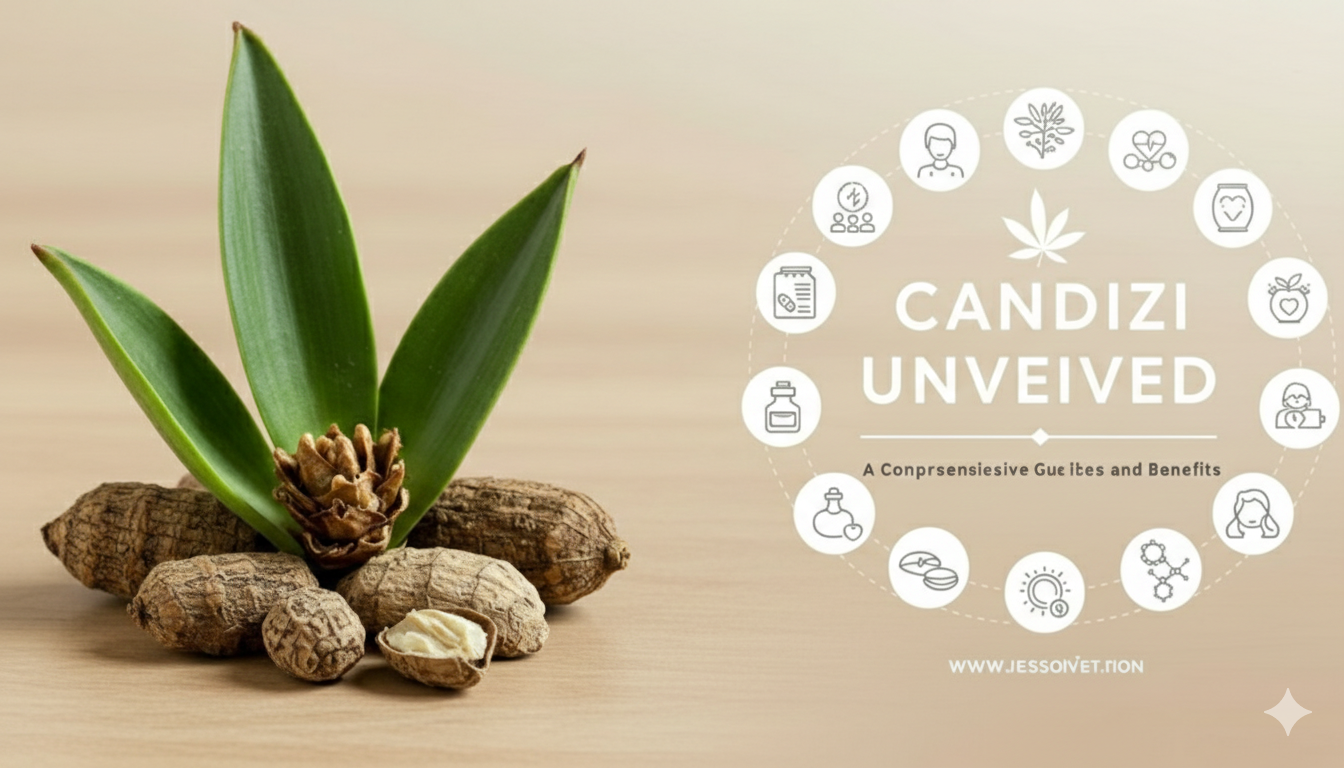
Candizi is a word without a single fixed definition. It exists because people give it meaning through use, context, and creative application. It embodies a fusion of sound, feeling, emotion, brand potential, and cultural resonance. In the pages that follow, we will explore candizi from every angle: its linguistic appeal, its cultural footprint, its associations with sweets and lifestyle aesthetics, its potential as a brand identity, and its meaning in the digital age.
The Sounds and Feelings Behind the Word
When a word stands out, part of its appeal comes from how it sounds and feels in the mind. Candizi has a phonetic balance that is at once soft and intriguing. The opening syllable resembles familiar words linked to sweetness and delight, while the ending gives it a melodic lift that feels modern and expressive. This combination makes it easy to remember and satisfying to pronounce.
Language experts and trend watchers note that words with playful, rhythmic structures often spread quickly online because they carry emotional energy as well as meaning. A word that feels pleasant or inviting on the tongue will gain traction even without a clear definition. Candizi has exactly this quality: it sounds bright, cheerful, and evocative, inviting curiosity rather than resistance.
This quality helps explain why some people associate candizi with pleasure, joy, indulgence, lighthearted expression, or aesthetic beauty. Even without a formal linguistic root, the term begins to feel familiar because it resonates with sensory memory and emotional tone.
How Candizi Emerged in Digital Culture
Language no longer evolves solely through academic channels or centuries‑old literature. The internet has become the primary laboratory of new words. Search trends, social media hashtags, and community discussions contribute to meanings that emerge organically from shared use.
The term candizi is part of this linguistic phenomenon. Across blogs, lifestyle sites, branding discussions, and social platforms, it appears in contexts ranging from aesthetic descriptions and playful slang to brand naming and product narratives. These varying uses give the word its flexibility and semantic depth.
Digital culture thrives on expressions that are visually attractive, emotionally evocative, and shareable. Words like candizi fit that bill. They provide a blank canvas for interpretation, letting individuals and communities shape the term according to context and intent. This evolution reflects a broader truth about language today: meaning is increasingly co‑created by users, platforms, and cultural currents rather than imposed from above.
Candizi and the World of Sweets
One of the most widespread interpretations of candizi links it to sweetness, flavor, and culinary delight. In this context, candizi does not refer to a specific type of candy or a single branded product but instead embodies the idea of joyful, flavorful, imaginative treats.
Food culture blogs and trend observers often use candizi to describe sweets that go beyond ordinary confectionery. These are treats made with creative flair, unexpected flavor pairings, and aesthetic appeal. Think of colorful artisan gummies, rainbow lollipops with unique infusions, or desserts designed to delight both the palate and the eye.
In this interpretation, candizi is not just about sugar and texture. It represents a culinary philosophy that celebrates flavor innovation, the joy of eating, and the power of food to bring happiness. People associate it with experiences that elevate ordinary moments — the first bite of a vibrant dessert, the way a nostalgic flavor can evoke a smile, or the visual delight of a beautifully adorned confection.
A New Kind of Culinary Identity
The confectionery interpretation of candizi reflects broader shifts in how people think about food. Modern consumers are increasingly interested in:
-
Novel flavors that surprise and delight the senses.
-
Nutrition‑forward alternatives that balance taste with health awareness.
-
Aesthetic experiences that are as visually impactful as they are delicious.
In the world of social media, a beautifully crafted dessert or candy has just as much cultural weight as its flavor. Posts tagged with playful terms like candizi become part of a visual language that expresses not just food but mood, experience, and identity.
This dual nature — food and feeling — gives candizi cultural depth. It helps explain why the term resonates with people who see food as more than nourishment. It is joy, art, and connection all in one.
When Candizi Becomes a Brand Name
Beyond culinary associations, candizi has strong potential as a brand identity. In the commercial world, names that are unique, memorable, and adaptable carry significant strategic value. A brand name should feel distinctive yet intuitive, aligning with consumer expectations without blending into generic territory.
The sound and structure of candizi make it ideal for branding. It is easy to pronounce, visually pleasing, and versatile enough to work across industries. From fashion and wellness to digital products and lifestyle platforms, candizi offers entrepreneurs a flexible term around which to build a story.
Names that are abstract rather than descriptive often perform well in the marketplace because they do not constrain consumer perception. A brand called candizi can choose its focus — whether that is gourmet snacks, beauty products, a lifestyle app, or creative services — and define the term through experience rather than inheritance.
Marketing experts praise this quality because it allows brands to shape their narrative from scratch. They can define the values, personality, and emotional tone of the name without battling preconceived meanings. In this way, candizi becomes not just a name but a canvas for creativity, identity, and culture.
Emotional Dimensions of Candizi
Language carries emotion as well as information. The emotional effect of candizi goes beyond sweetness and branding. For many, the term evokes warmth, nostalgia, playfulness, and optimism. These associations arise from the word’s phonetic softness, its visual appeal, and its openness to imaginative interpretation.
Across cultures and demographics, words that feel light and warm tend to become attached to positive experiences. Whether used to describe a mood, a flavor, a visual aesthetic, or a lifestyle narrative, candizi carries an emotional charge that invites curiosity and connection.
This emotional resonance enhances the term’s utility. A name that makes people feel something is more likely to stick in memory. It becomes part of how people express identity, mood, and engagement with culture. Candizi is not just a word to describe something sweet — it becomes a word that tastes sweet in the mind.
Candizi and Lifestyle Expression
In recent years, people have embraced concepts and words that help convey a lifestyle or aesthetic. These are not strict definitions but rather emotive labels that help describe feelings, moods, and values. Words like “minimalist,” “cozy,” or “vintage” carry clear emotional and cultural connotations. Candizi has entered this space, not as a formal style category but as a symbolic term that evokes brightness, creativity, playfulness, and warmth.
When applied to lifestyle narratives, candizi can describe aesthetic preferences, personal values, or creative expression. It might be used to describe a pastel color palette, joyful social content, or even a mindset that embraces small pleasures and everyday delight. This flexible use makes it an appealing choice for individuals looking for words that express something positive, playful, or emotionally warm.
Pitfalls to Keep in Mind
Despite its charm and cultural appeal, candizi is not a term with a standardized meaning. This ambiguity can be a strength, but it can also be a challenge. Without a clear definition, people may interpret the word differently, leading to confusion in communication.
For brands or creators using candizi as part of their identity, clarity and context are essential. The more a brand or content creator defines how they use the term, the more meaningful it becomes for their audience. A thoughtful narrative, clear visual identity, and consistent messaging help anchor candizi in the minds of consumers or followers.
Additionally, because the term is currently trending in digital spaces, its meaning and popularity could shift. Words that emerge in online culture often evolve rapidly, so tracking how candizi is used over time helps ensure that content or branding built around it remains relevant and authentic.
The Future of Candizi
What lies ahead for candizi depends largely on how individuals, creators, and brands adopt and use the term. If it continues to appear in stories about joyful experiences, creative branding, immersive food culture, or playful aesthetic expression, its cultural impact will grow. If it gains presence in product categories or lifestyle movements, it could evolve into a recognized brand or cultural signifier.
Ultimately, the future of candizi illustrates a broader truth about language in the digital age: meaning is dynamic, shaped by shared experience and collective interpretation. Words once unfamiliar can become meaningful when communities adopt them to express ideas, emotions, and identities. Candizi stands as a testament to this dynamic, blending sensory appeal, emotional warmth, and digital versatility into a single, memorable term.
Conclusion
In a landscape where words matter as much as ideas, candizi has emerged as a fascinating example of how language evolves today. It is at once playful and distinctive, emotionally evocative, semantically rich, and adaptable across cultural domains. It speaks to our desire for experience, expression, and connection.
Whether candizi ends up as a beloved candy label, a lifestyle aesthetic, a brand name, or a cultural mood, one thing is clear: it resonates because it invites interpretation, emotion, and creativity. In the modern world, where digital culture, branding innovation, and personal identity converge, candizi offers a fresh, joyful expression of human imagination.



Leave a Reply