
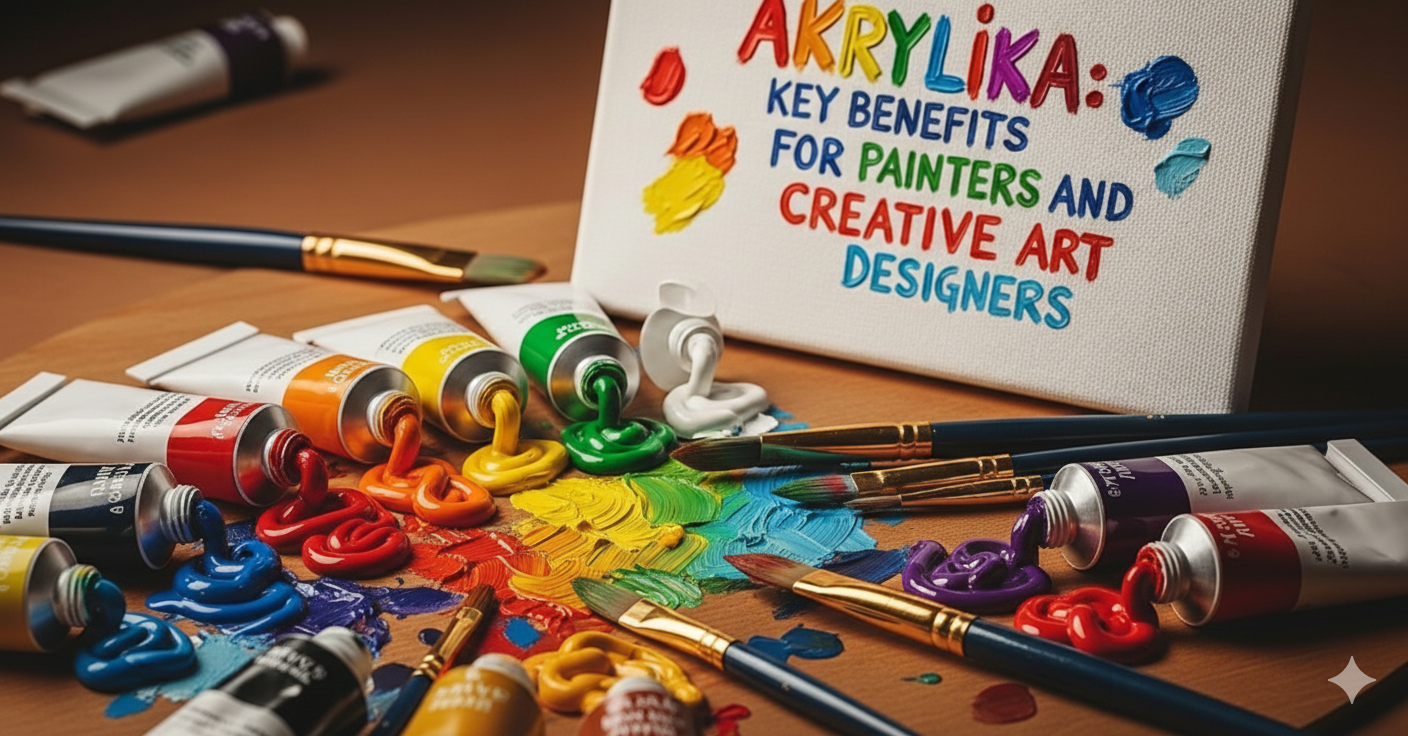
Akrylika is a term commonly associated with acrylic based materials, acrylic art, and acrylic surfaces used across creative, industrial, and everyday environments. Over time, akrylika has become a symbol of versatility, durability, and modern aesthetics. From fine art paintings to architectural panels and home décor, acrylic based solutions continue to grow in popularity due to their clarity, strength, and adaptability.
This article offers a complete and easy to understand exploration of akrylika, including its origins, properties, artistic value, practical uses, and future relevance. Whether you are an artist, designer, homeowner, or simply curious, understanding akrylika opens the door to a world of creative and functional possibilities.
What Is Akrylika
Akrylika generally refers to acrylic materials or acrylic based compositions. Acrylic is a synthetic material derived from acrylic acid or related compounds. It is widely recognized for its glass like transparency, lightweight structure, and resistance to environmental factors.
In creative fields, akrylika often points to acrylic paints and acrylic art techniques. In manufacturing and construction, it refers to acrylic sheets, panels, coatings, and molded forms used for both decorative and practical purposes.
The History and Development of Acrylic Materials
The development of acrylic materials dates back to the early twentieth century. Scientists sought an alternative to traditional glass that would be lighter, stronger, and easier to shape. The result was acrylic plastic, often known by popular trade names such as plexiglass.
Artists soon discovered acrylic paints in the mid twentieth century. These paints offered faster drying times, vibrant colors, and flexible application techniques. As a result, acrylic art quickly gained acceptance among modern painters and designers.
Today, akrylika represents a fusion of science and creativity, combining industrial innovation with artistic expression.
Key Properties of Akrylika
One reason akrylika is so widely used lies in its impressive physical and visual properties.
Acrylic materials are lightweight yet strong, making them easy to transport and install. They are highly transparent and can be polished to achieve exceptional clarity. Acrylic is also resistant to moisture, ultraviolet light, and temperature changes, which allows it to maintain its appearance over time.
In art, acrylic paints are known for their flexibility. They can be used thick like oil paints or diluted with water for watercolor like effects. Once dry, they form a durable, water resistant surface.
Akrylika in Art and Creative Expression
Acrylic painting is one of the most popular modern art forms. Artists value acrylic paints for their versatility and vibrant color range. Unlike oil paints, acrylics dry quickly, allowing artists to layer colors without long waiting periods.
Akrylika enables a wide variety of techniques, including glazing, impasto, pouring, and mixed media. Artists can apply acrylic paint to canvas, wood, paper, fabric, and even plastic or metal surfaces.
Because acrylic paints are water based, they are also more accessible to beginners. Cleanup is simple, and the materials are generally more affordable than traditional oil painting supplies.
Akrylika in Interior Design and Home Décor
In interior design, akrylika has become a favorite material for modern spaces. Acrylic furniture, wall panels, shelves, and decorative items offer a clean and contemporary look.
Transparent or colored acrylic elements can make small spaces appear larger by allowing light to pass through. Acrylic surfaces are also easy to clean, making them ideal for kitchens, bathrooms, and workspaces.
From minimalist décor to bold statement pieces, akrylika adapts to a wide range of design styles.
Industrial and Commercial Uses of Akrylika
Beyond art and design, akrylika plays a major role in industrial and commercial applications. Acrylic sheets are commonly used for signage, display cases, protective barriers, and lighting fixtures.
Retail environments rely on acrylic displays because they showcase products clearly while remaining durable. In construction, acrylic panels are used for skylights, windows, and partitions due to their strength and weather resistance.
Medical and scientific fields also utilize acrylic materials for equipment housings, laboratory barriers, and optical devices.
Advantages of Using Akrylika
Akrylika offers numerous benefits that explain its widespread adoption.
Durability is one of its strongest advantages. Acrylic materials resist cracking, fading, and moisture damage better than many alternatives. They are also safer than glass, as they are less likely to shatter.
Flexibility is another key benefit. Acrylic can be molded, cut, engraved, and colored in countless ways. This makes it suitable for custom designs and specialized applications.
From an aesthetic perspective, akrylika delivers a modern and polished appearance that remains appealing over time.
Akrylika Versus Other Materials
When compared to glass, wood, or metal, akrylika often stands out for its balance of beauty and practicality. Glass may offer clarity but lacks the impact resistance of acrylic. Wood provides warmth but requires more maintenance. Metal is strong but can be heavy and prone to corrosion.
Acrylic bridges the gap by offering clarity, strength, and low maintenance in a single material. In art, acrylic paints offer faster drying and greater flexibility compared to oils, while still delivering rich color depth.
Maintenance and Care of Acrylic Materials
Caring for akrylika is relatively simple. Acrylic surfaces should be cleaned with a soft cloth and mild soap solution. Harsh chemicals and abrasive materials should be avoided, as they may cause scratches or clouding.
For acrylic art, proper varnishing can protect paintings from dust and ultraviolet exposure. With basic care, acrylic artworks and materials can maintain their appearance for many years.
Environmental Considerations and Sustainability
As awareness of sustainability grows, acrylic manufacturers continue to improve production methods. Some acrylic products are recyclable, and advances in material science aim to reduce environmental impact.
Artists and designers increasingly seek responsible sourcing and efficient usage of acrylic materials. While acrylic is a synthetic material, its durability and long lifespan contribute to reduced replacement and waste over time.
Akrylika in Education and Skill Development
Acrylic art and materials are widely used in educational settings. Art schools favor acrylic paints because they are easy to handle and versatile for teaching various techniques.
Students can experiment freely without the long drying times or strong odors associated with other mediums. This accessibility encourages creativity and confidence among learners at all levels.
The Future of Akrylika
The future of akrylika looks promising as innovation continues across industries. New formulations enhance scratch resistance, flexibility, and environmental performance. In art, acrylic mediums continue to evolve, allowing artists to achieve new textures and visual effects.
Technology also plays a role, with acrylic materials used in digital displays, modern architecture, and interactive installations. Akrylika remains a material that evolves alongside creative and technological progress.
Why Akrylika Remains Relevant
Akrylika succeeds because it meets both practical and creative needs. It is functional yet expressive, durable yet visually refined. Few materials can adapt so seamlessly across disciplines.
Whether in a painting studio, a modern home, or a commercial space, acrylic based solutions continue to shape contemporary aesthetics and experiences.
Final Thoughts
Akrylika represents more than just a material or art medium. It symbolizes innovation, adaptability, and creative freedom. Its presence in art, design, industry, and everyday life reflects its unmatched versatility.
By understanding the properties, uses, and potential of akrylika, individuals can make informed choices that enhance both functionality and beauty. As trends evolve and technologies advance, akrylika will continue to play a meaningful role in shaping modern creativity and design.




Leave a Reply