
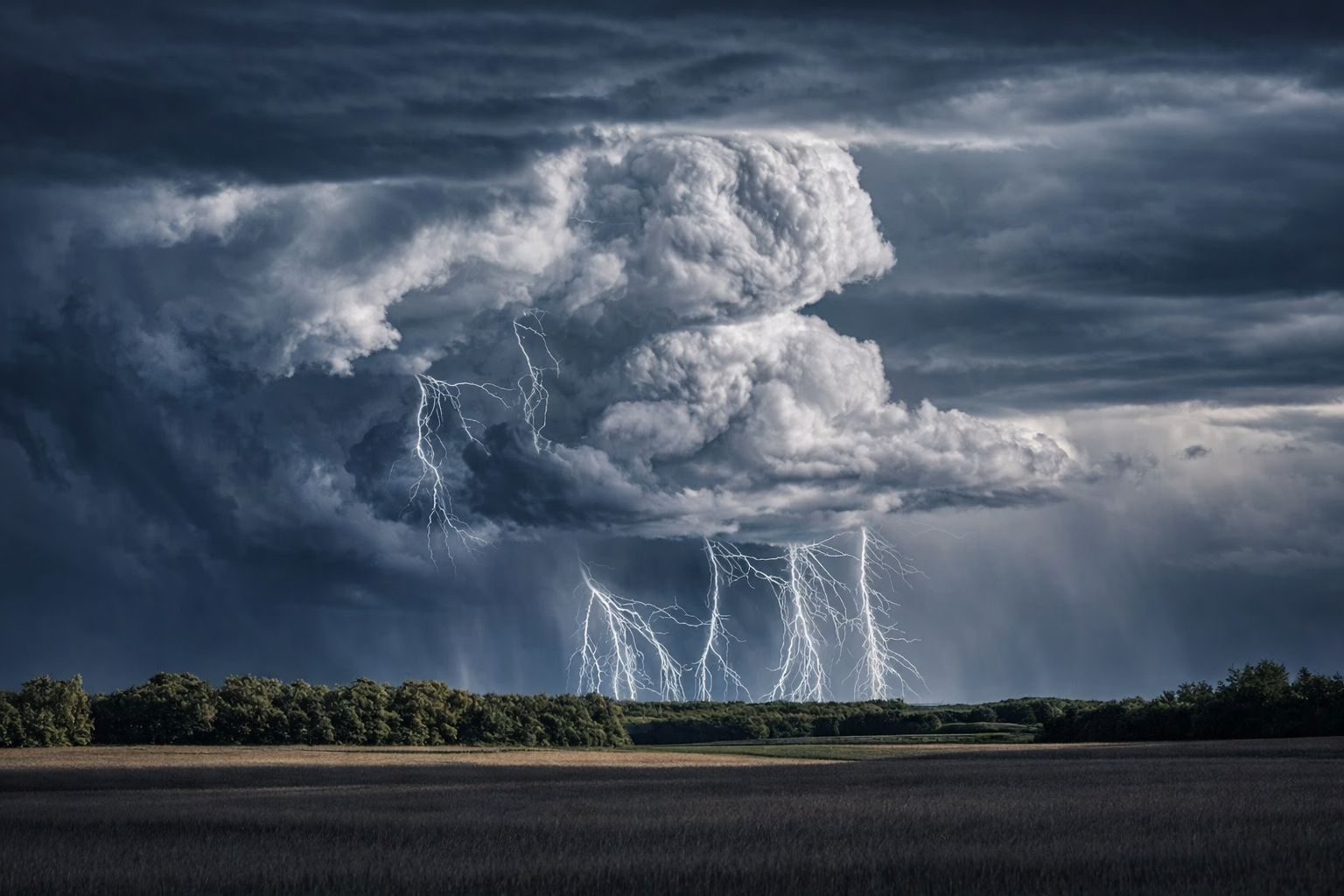
Stormuring is a term that evokes the power, unpredictability, and intensity of natural weather phenomena. While it may not be widely recognized in traditional meteorological texts, stormuring can be understood as the study and experience of storms and the ways they influence the environment, society, and human life. From the gentle rains that nourish fields to the powerful hurricanes that reshape coastlines, stormuring encompasses the full spectrum of storm-related experiences, impacts, and responses.
In this article, we will explore the concept of stormuring in depth, its importance in our daily lives, its impact on ecosystems and communities, and how we can adapt to and prepare for these powerful forces of nature.
The Nature of Storms
Storms are atmospheric disturbances characterized by strong winds, heavy rainfall, snow, or other precipitation. They occur when different air masses meet and create instability in the atmosphere. This instability can lead to a wide range of storm types, each with unique characteristics and potential hazards.
Types of Storms
-
Thunderstorms: These are the most common form of intense storm. They bring heavy rain, lightning, and thunder, and sometimes hail or tornadoes. Thunderstorms play a crucial role in redistributing heat and moisture across the planet.
-
Hurricanes and Cyclones: These are massive storms that form over warm ocean waters. Hurricanes are called cyclones or typhoons in different parts of the world. They are highly destructive due to their high-speed winds, torrential rains, and storm surges.
-
Tornadoes: Tornadoes are localized, rotating columns of air that extend from thunderstorms to the ground. Although small in scale compared to hurricanes, tornadoes can cause severe damage in minutes.
-
Winter Storms: These storms bring snow, sleet, and freezing rain. They disrupt transportation, power systems, and daily life, yet they are essential for replenishing freshwater supplies in many regions.
Stormuring involves understanding these storms, predicting their behavior, and preparing for their potential impacts. It is both a scientific endeavor and a societal necessity.
The Science Behind Stormuring
The study of stormuring combines meteorology, climatology, and environmental science. Scientists analyze atmospheric pressure, wind patterns, humidity, temperature variations, and ocean currents to understand how storms form and evolve.
One key aspect of stormuring is storm prediction and early warning systems. Accurate forecasting can save lives, protect property, and minimize economic losses. Modern technology, such as satellites, radar systems, and supercomputers, allows meteorologists to monitor storms in real time and issue warnings when necessary.
The Role of Technology in Stormuring
-
Satellites: Provide a global view of storm development, tracking movement, and intensity.
-
Radar Systems: Detect rainfall, wind speed, and storm structure.
-
Computer Models: Simulate storm behavior, allowing predictions of path, strength, and duration.
By integrating these tools, stormuring helps societies prepare for storms and reduce their devastating consequences.
Environmental Impacts of Stormuring
Storms are not merely destructive; they also play a vital role in maintaining the balance of ecosystems. Rainfall replenishes rivers, lakes, and aquifers. Winds disperse seeds and pollen, contributing to biodiversity. Even floods, when not excessive, enrich soil by depositing nutrients that support plant growth.
However, the environmental cost of severe storms is significant. Hurricanes can destroy coastal habitats, tornadoes can level forests, and winter storms can disrupt animal migration and food supply chains. Understanding stormuring involves balancing the benefits and dangers of storms to promote sustainable coexistence with nature.
Social and Economic Impacts
Stormuring affects human societies in profound ways. From urban areas to rural communities, storms influence infrastructure, transportation, agriculture, and daily life.
Infrastructure and Housing
Strong storms can damage homes, roads, bridges, and utilities. Communities that invest in storm-resistant infrastructure are better equipped to withstand natural disasters. Building codes, drainage systems, and wind-resistant structures are critical elements of stormuring in urban planning.
Agriculture and Food Security
Storms have a direct impact on agriculture. While moderate rainfall supports crop growth, excessive storms can lead to flooding, soil erosion, and crop failure. Farmers must practice adaptive stormuring, using techniques such as crop rotation, raised fields, and protective barriers to safeguard yields.
Economic Considerations
The economic cost of storms is immense. Property damage, business interruption, and emergency response expenses add up to billions of dollars annually. Stormuring, through prediction, preparation, and response planning, can mitigate these losses and enhance community resilience.
Human Adaptation and Preparedness
Stormuring is not only about understanding storms but also about preparing for them. Communities that adopt proactive strategies are better positioned to cope with extreme weather events.
Emergency Planning
Creating and practicing emergency plans is essential. Families and communities should know evacuation routes, emergency shelters, and communication protocols. Stockpiling essential supplies such as food, water, and medicine can save lives during prolonged storms.
Early Warning Systems
Investing in early warning systems allows authorities to issue timely alerts. Mobile notifications, sirens, and public broadcasting systems ensure that people receive critical information to take protective action.
Education and Awareness
Educating the public about storm risks, safety measures, and response techniques enhances resilience. Awareness campaigns, school programs, and community workshops foster a culture of preparedness and informed decision-making.
Stormuring in the Era of Climate Change
Climate change has altered storm patterns worldwide. Rising global temperatures increase the intensity and frequency of storms, making stormuring more critical than ever.
Intensifying Storms
Warmer ocean waters fuel stronger hurricanes and cyclones. Increased atmospheric moisture leads to heavier rainfall and flooding. Understanding these changing patterns helps governments and communities implement adaptive measures.
Shifting Geographies
Regions that historically experienced mild weather are now vulnerable to storms. Stormuring involves updating risk assessments, insurance policies, and infrastructure standards to reflect new realities.
Policy and Global Cooperation
Stormuring extends beyond individual communities. International collaboration on climate research, disaster response, and sustainable development is essential to address the global nature of extreme weather. Agreements on carbon reduction, disaster relief funding, and environmental conservation are integral to long-term storm resilience.
Stormuring and Personal Resilience
While communities prepare at large, individuals also play a role in stormuring. Personal resilience involves mental, emotional, and practical readiness.
-
Mental Preparedness: Understanding that storms are natural events and accepting the need for precaution reduces panic and stress during emergencies.
-
Practical Skills: Knowing first aid, navigation, and basic survival skills enhances personal safety.
-
Community Engagement: Participating in neighborhood watch programs, volunteer initiatives, and local disaster drills strengthens collective resilience.
Future Directions in Stormuring
As science and technology advance, stormuring will continue to evolve. Researchers are exploring new methods for storm tracking, damage mitigation, and environmental restoration.
-
Artificial Intelligence and Big Data: AI models can analyze vast datasets to predict storm patterns with unprecedented accuracy.
-
Sustainable Infrastructure: Innovations in building materials and urban design can minimize storm damage while promoting environmental sustainability.
-
Ecosystem-Based Approaches: Protecting natural barriers such as mangroves, wetlands, and forests reduces the impact of storms and enhances biodiversity.
Stormuring is not just a scientific pursuit; it is a multidisciplinary approach combining technology, environmental stewardship, social planning, and personal preparedness.
Conclusion
Stormuring embodies the human effort to understand, adapt to, and coexist with the dynamic forces of nature. From the mesmerizing power of thunderstorms to the destructive might of hurricanes, storms shape our environment, challenge our infrastructure, and inspire scientific innovation.
By integrating meteorological science, environmental awareness, community preparedness, and personal resilience, stormuring equips us to navigate the challenges posed by storms. It encourages respect for nature, proactive planning, and informed decision-making.
As climate change continues to intensify weather patterns, stormuring becomes increasingly essential. It is a continuous journey of learning, adapting, and building resilience. Through collective effort, technological advancement, and individual responsibility, we can face storms with confidence and emerge stronger, wiser, and better prepared for the unpredictable forces of nature.
Stormuring is more than just weather observation; it is a philosophy of harmony with nature, a commitment to preparedness, and a testament to human ingenuity in the face of the powerful, awe-inspiring phenomena that surround us.




Leave a Reply