
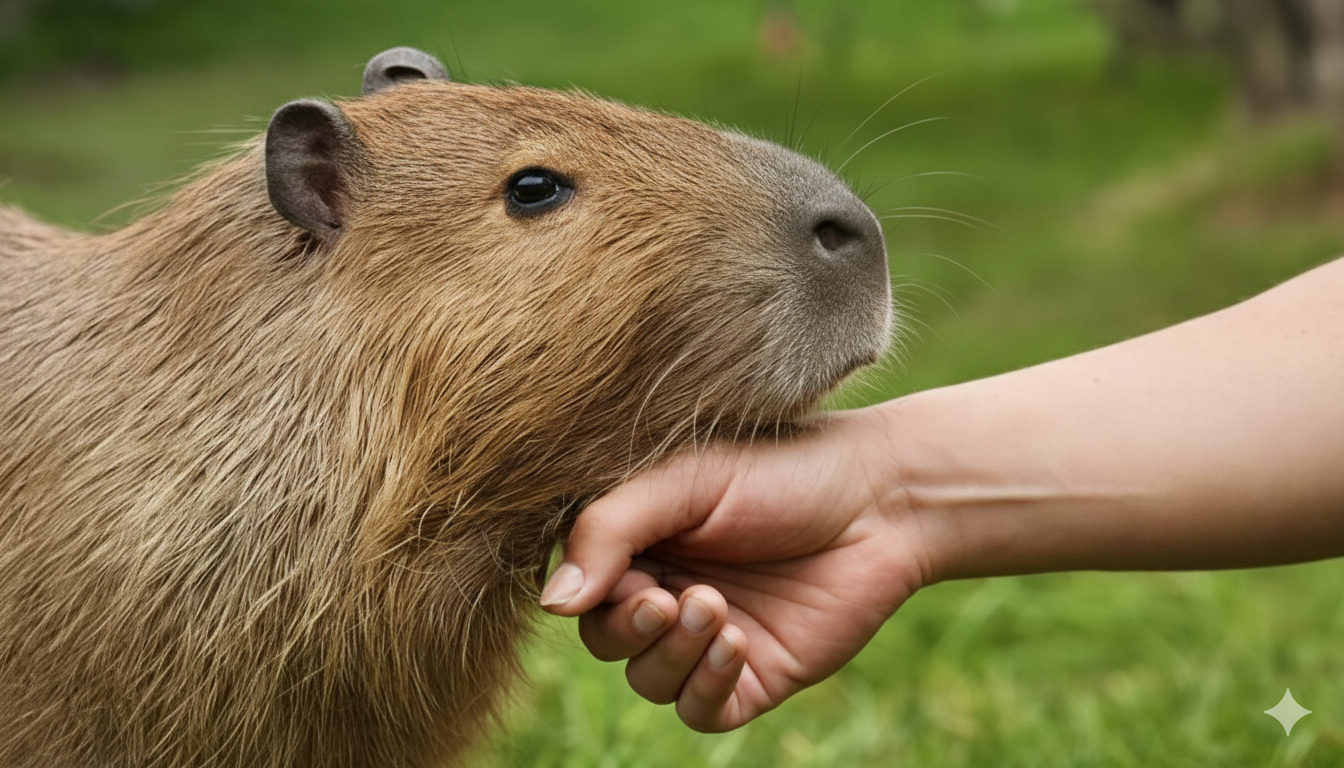
The capybara is one of the most fascinating animals on Earth. Known for its calm personality, social nature, and surprising adaptability, this gentle giant has captured the interest of wildlife enthusiasts, researchers, and casual animal lovers alike. Native to South America, the capybara is the largest rodent in the world and plays an important role in its ecosystem.
This article offers a comprehensive and easy to understand exploration of the capybara. From its physical characteristics and habitat to its behavior, diet, and cultural significance, this guide is designed for beginners and curious readers who want to learn more about this remarkable animal.
What Is a Capybara
A capybara is a semi aquatic mammal that belongs to the rodent family. Its scientific name is Hydrochoerus hydrochaeris, which means water hog. Despite being a rodent, the capybara looks more like a mix between a guinea pig and a small pig.
Capybaras are known for their relaxed demeanor and friendly behavior. They often live in groups and are commonly seen sharing space peacefully with other animals. This unique combination of size, temperament, and social behavior makes the capybara stand out in the animal kingdom.
Physical Characteristics of the Capybara
Capybaras are impressive in size. An adult capybara can weigh between 35 and 65 kilograms and measure over one meter in length. Their bodies are barrel shaped, with short legs and a blunt snout.
They have coarse brown or reddish brown fur that helps them blend into grassy and muddy environments. Their eyes, ears, and nostrils are positioned high on their heads, allowing them to stay mostly submerged in water while remaining alert.
Another notable feature is their webbed feet. These help capybaras swim efficiently and navigate muddy riverbanks with ease.
Natural Habitat and Distribution
Capybaras are native to South America and are found in countries such as Brazil, Venezuela, Colombia, Argentina, and Peru. They thrive in warm climates and are always found near water sources.
Their preferred habitats include:
-
Rivers and lakes
-
Swamps and wetlands
-
Flooded grasslands
-
Forest edges near water
Water is essential to a capybara’s survival. They use it to cool down, escape predators, and even sleep partially submerged during hot days.
Capybara Behavior and Social Structure
Capybaras are highly social animals. They typically live in groups ranging from 10 to 20 individuals, though larger groups can form during the dry season.
A typical group includes:
-
One dominant male
-
Several adult females
-
Young capybaras
-
Subordinate males
Communication within the group is constant. Capybaras use a variety of sounds such as whistles, barks, clicks, and purrs to express emotions and alert others to danger.
Their calm and tolerant nature allows them to coexist peacefully with many other species, including birds, monkeys, and even predators when not threatened.
Diet and Feeding Habits
Capybaras are herbivores, meaning they eat only plant based foods. Their diet mainly consists of grasses and aquatic plants.
Common foods include:
-
Grasses
-
Reeds
-
Aquatic vegetation
-
Fruits and tree bark during dry seasons
Capybaras have a unique digestive system that allows them to extract maximum nutrients from tough plant material. They also practice coprophagy, which means they eat some of their own droppings to further digest fiber and absorb essential nutrients.
Daily Life and Activity Patterns
Capybaras are most active during the early morning and late afternoon. During the hottest parts of the day, they rest near or in water to avoid overheating.
Their daily routine includes:
-
Grazing for food
-
Social grooming
-
Resting in shaded areas
-
Swimming and soaking in water
At night, capybaras remain alert, as many predators are nocturnal. Their strong senses of hearing and smell help them detect danger early.
Predators and Survival Strategies
Despite their size, capybaras face several natural predators in the wild. These include jaguars, pumas, caimans, anacondas, and large birds of prey.
To survive, capybaras rely on:
-
Group vigilance
-
Fast running over short distances
-
Excellent swimming ability
-
Staying close to water at all times
When threatened, a capybara can dive into water and remain submerged for several minutes, making escape more likely.
Capybaras and Their Role in the Ecosystem
Capybaras play an important role in maintaining healthy ecosystems. As grazers, they help control plant growth and shape vegetation patterns near water bodies.
Their presence also benefits other animals. Birds often perch on capybaras to feed on insects in their fur, creating a mutually beneficial relationship.
Additionally, capybaras serve as a food source for large predators, contributing to the natural balance of their environment.
Capybaras in Human Culture
In many South American cultures, capybaras have historical and cultural significance. They have been hunted for their meat and hides for centuries.
Interestingly, in some regions, capybara meat is traditionally consumed during religious fasting periods because the animal is considered semi aquatic rather than strictly terrestrial.
In modern times, capybaras have gained global popularity through social media. Their relaxed expressions and friendly interactions with other animals have earned them a reputation as symbols of calm and harmony.
Capybaras as Pets: A Complex Topic
In some countries, people keep capybaras as exotic pets. While they can form strong bonds with humans, owning a capybara is a serious responsibility.
Capybaras require:
-
Large outdoor spaces
-
Constant access to water
-
Social interaction with other capybaras
-
Specialized veterinary care
Without proper conditions, they can become stressed and unhealthy. For this reason, many experts discourage private ownership and emphasize conservation and education instead.
Conservation Status and Challenges
Capybaras are currently not considered endangered, and their populations are stable in many areas. However, they still face threats.
Major challenges include:
-
Habitat loss due to agriculture
-
Hunting and illegal trade
-
Climate change affecting water availability
Protecting wetlands and natural waterways is essential to ensuring the long term survival of capybara populations.
Why Capybaras Matter
Capybaras are more than just internet famous animals. They are an important part of South America’s biodiversity and offer valuable insights into social behavior, adaptation, and coexistence.
Their ability to live peacefully with a wide range of species makes them a powerful example of balance in nature. Studying capybaras helps scientists better understand ecosystems and animal communication.
Conclusion
The capybara is a truly remarkable animal. As the world’s largest rodent, it combines size with gentleness, strength with calm, and simplicity with complexity. Its close relationship with water, strong social bonds, and adaptability have allowed it to thrive across diverse environments.
Whether admired in the wild, studied by scientists, or appreciated through photographs and stories, the capybara continues to inspire curiosity and respect. Learning about this unique creature deepens our understanding of nature and reminds us of the importance of protecting the ecosystems that support such extraordinary life.




Leave a Reply