
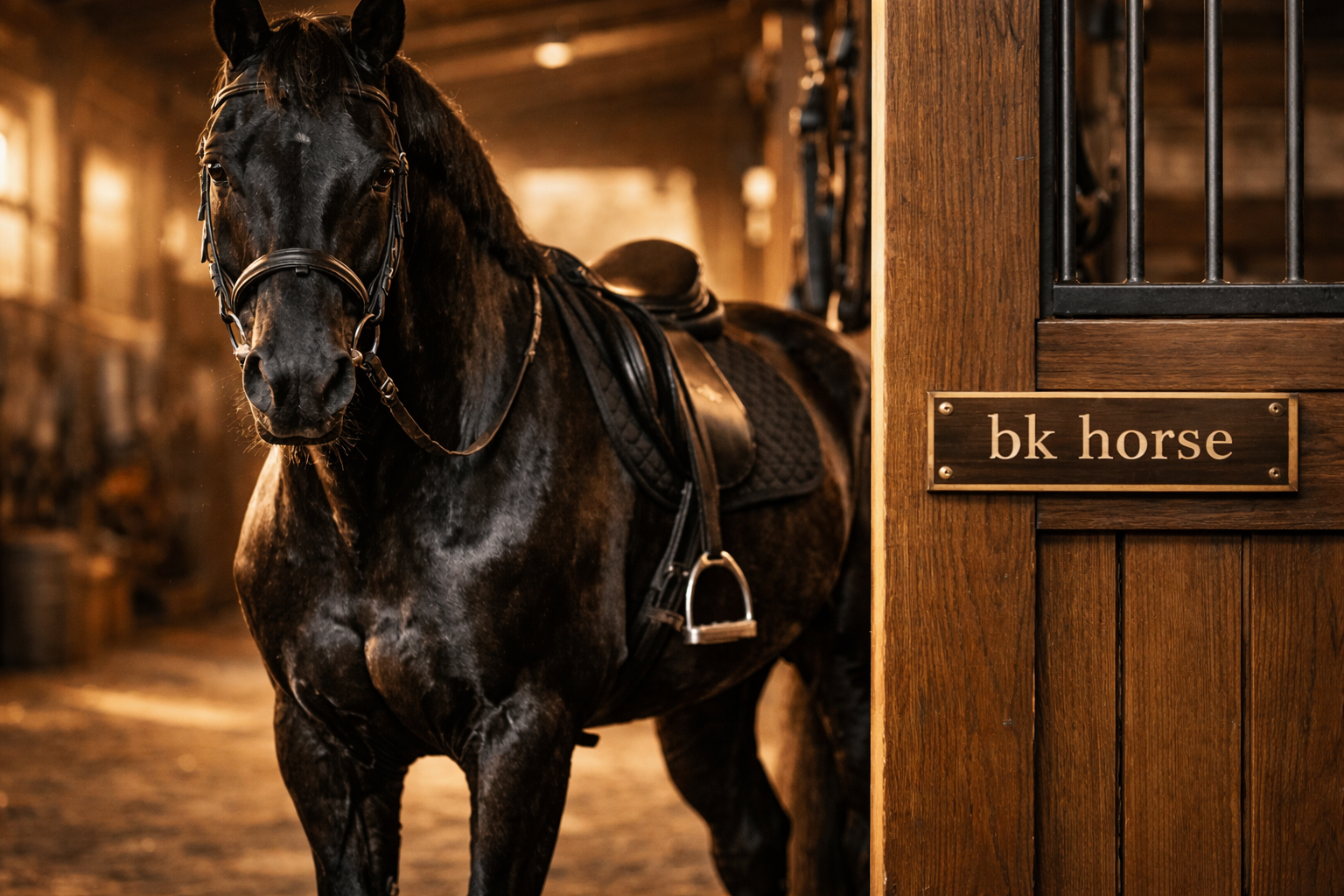
This article explores what BK horse really means, how the controversy unfolded, why it mattered so much to consumers, and what lessons the fast food industry learned from it. By the end, you will have a clear understanding of the issue and why it continues to be referenced today.
Understanding the Meaning of BK Horse
BK horse is an informal term used online to describe the horse meat scandal that involved Burger King in Europe. It does not suggest that Burger King intentionally served horse meat. Instead, it highlights a breakdown in the meat supply chain that led to horse DNA being found in products labeled as beef.
The phrase gained traction on social media, forums, and news comments as consumers reacted with disbelief and concern. It became a shorthand way of referring to a much larger issue within the processed meat industry.
The European Horse Meat Scandal: A Brief Overview
The roots of the BK horse controversy lie in the wider European horse meat scandal that emerged in 2013. Food testing authorities discovered that several beef products sold across Europe contained undeclared horse meat.
The discovery first came to light in Ireland, where routine tests revealed horse DNA in frozen beef burgers sold in supermarkets. Further investigations showed that the issue extended across multiple countries, including United Kingdom, France, and Spain.
As authorities traced the supply chains, they found a complex web of meat processors, suppliers, and distributors spread across Europe. This complexity made it difficult for brands to fully track the origin of their meat.
How Burger King Became Involved
Burger King became part of the story when tests in the UK and Ireland found horse DNA in some of its beef products. The affected items were primarily burgers supplied by a third party processor.
It is important to note that Burger King did not produce the meat itself. Like many fast food chains, it relied on external suppliers to process and deliver meat products that met its specifications. However, the discovery placed the brand under intense scrutiny.
In response, Burger King immediately removed the affected products from sale in the UK and Ireland. The company also ended its relationship with the supplier involved and issued public statements apologizing to customers.
Why the BK Horse Incident Shocked Consumers
The reaction to the BK horse controversy was not just about the presence of horse meat. In some cultures, horse meat is consumed legally and without stigma. The outrage stemmed from several deeper concerns.
First, consumers were misled. Products labeled as beef were not what they claimed to be. This raised serious questions about honesty and transparency in food labeling.
Second, there were fears about food safety. Horse meat itself is not inherently dangerous, but there were concerns that some horses might have been treated with veterinary drugs not approved for animals entering the human food chain.
Third, trust was broken. People expect global brands like Burger King to have strict controls in place. When those controls failed, confidence in the brand took a hit.
The Role of Supply Chains in the BK Horse Scandal
One of the biggest lessons from the BK horse issue was the vulnerability of long and complex supply chains. Meat products often pass through multiple intermediaries before reaching restaurants or supermarkets.
In the case of Burger King, the beef was sourced from processors who themselves relied on other suppliers. At each stage, there was an opportunity for mislabeling or substitution, whether intentional or accidental.
This complexity made it difficult for brands to detect problems until government testing revealed them. It also highlighted how cost pressures can encourage unethical practices within the supply chain.
Burger King’s Response and Damage Control
Burger King acted quickly once the issue was confirmed. The company publicly acknowledged the problem and emphasized that it was unacceptable. It removed all affected products, suspended the supplier, and cooperated fully with food safety authorities.
The brand also committed to strengthening its testing procedures. This included DNA testing of meat products and tighter auditing of suppliers. These steps were designed to reassure customers that such an incident would not happen again.
While the immediate financial impact was limited to certain markets, the reputational damage required long term efforts to rebuild trust.
Media Coverage and Public Perception
Media coverage played a significant role in cementing the term BK horse in public memory. Headlines were dramatic, often pairing Burger King’s name with images of horses, which intensified the emotional response.
Social media amplified the controversy. Memes, jokes, and angry posts spread rapidly, sometimes exaggerating the facts. While humor helped some people cope with the shock, it also prolonged the association between Burger King and the scandal.
This demonstrates how quickly brand perception can be shaped in the digital age, especially during a crisis.
Legal and Regulatory Fallout
The horse meat scandal prompted widespread regulatory changes across Europe. Governments introduced stricter testing requirements and tougher penalties for food fraud.
In the UK and Ireland, food safety agencies increased DNA testing of meat products. At the European Union level, discussions focused on improving traceability and transparency within the food supply chain.
For companies like Burger King, this meant higher compliance costs but also a clearer framework for ensuring food integrity.
Was Burger King at Fault?
A common question surrounding BK horse is whether Burger King was truly responsible. From a legal standpoint, the company did not intentionally mislead consumers. The substitution occurred at the supplier level.
However, from a consumer perspective, responsibility does not end with intent. Customers expect brands to guarantee the authenticity of their products. This expectation places an ethical responsibility on companies to monitor their supply chains rigorously.
The incident showed that even global corporations are only as strong as their weakest supplier.
The Long Term Impact on Burger King
Over time, Burger King recovered from the scandal. The brand continued to expand globally and invested heavily in marketing, menu innovation, and quality assurance.
In many markets, consumers eventually moved on, especially as no health crises emerged from the incident. However, the BK horse episode remains a case study in business schools and food safety discussions.
It serves as a reminder that trust, once damaged, requires consistent effort to restore.
Lessons for the Fast Food Industry
The BK horse controversy delivered several important lessons for the fast food and food service industries.
Transparency is critical. Brands must know exactly where their ingredients come from.
Testing matters. Relying solely on supplier documentation is not enough in a high risk industry.
Communication during crises must be swift and honest. Burger King’s prompt response helped limit long term damage.
Finally, consumer trust should never be taken for granted. It is built over years and can be shaken overnight.
Why People Still Search for BK Horse Today
Even years later, people continue to search for BK horse out of curiosity or concern. Some want to understand what happened, while others encounter the term in online discussions and want clarity.
The phrase has also become symbolic of wider concerns about processed foods and corporate accountability. It represents a moment when consumers were reminded to question what is really in their food.
Final Thoughts on BK Horse
The BK horse controversy was not just a scandal about mislabeled meat. It was a wake up call for the global food industry and a powerful lesson in transparency, responsibility, and trust.
Burger King’s experience shows how interconnected modern supply chains are and how quickly issues can escalate in the age of social media. While the brand weathered the storm, the incident remains a defining example of why rigorous standards and ethical practices are essential.
For consumers, BK horse serves as a reminder to stay informed and engaged. For businesses, it stands as a cautionary tale that reinforces the importance of integrity at every level of operation.



Leave a Reply