
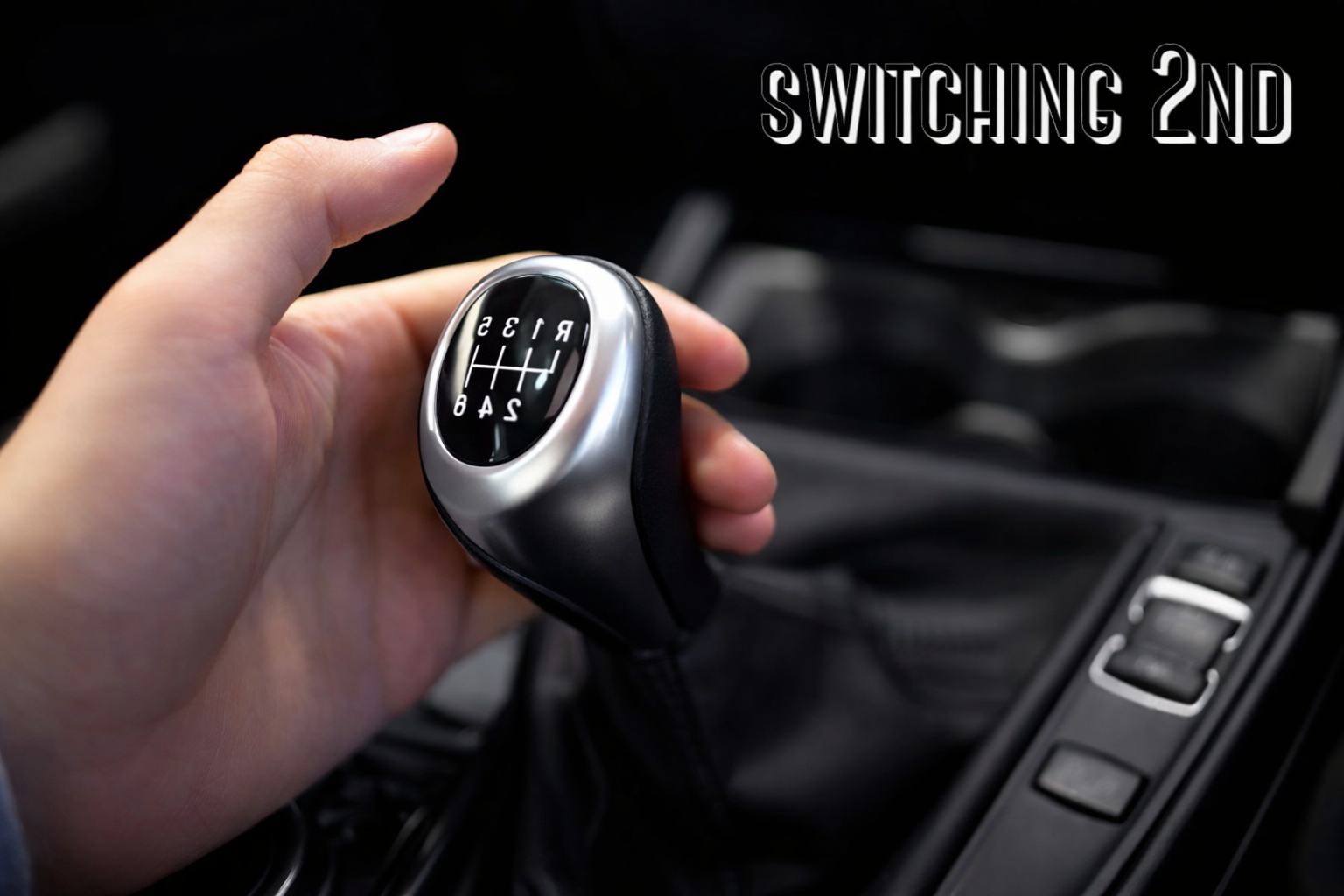
Switching 2nd to second gear is one of the most fundamental yet misunderstood actions in driving. Often learned early during driving lessons, the move from first gear to second gear plays a critical role in vehicle control, engine health, and overall driving comfort. While it may seem routine, mastering the art of switching 2nd gear can significantly improve driving efficiency and confidence.
Whether you are a new driver learning manual transmission or an experienced driver refining technique, understanding when and how to switch to second gear makes a noticeable difference. This article explores the mechanics, timing, common mistakes, driving scenarios, and long-term benefits of proper second gear switching, all explained in a clear and practical way.
What Does Switching 2nd Mean in Driving
Switching 2nd refers to shifting a vehicle from first gear into second gear in a manual transmission car. First gear is designed to get the vehicle moving from a complete stop. Once momentum is built, second gear takes over to provide smoother acceleration and better speed control.
Second gear is often used in low-speed situations such as city driving, turns, traffic congestion, and slight inclines. It bridges the gap between initial movement and steady driving, making it one of the most frequently used gears.
Understanding this transition is essential because improper shifting can lead to engine strain, jerky movement, or unnecessary wear on vehicle components.
Why Second Gear Is So Important
Second gear is not just a step between first and third. It serves a unique purpose that supports both vehicle performance and driver control.
Second gear allows the engine to operate efficiently at low to moderate speeds. It provides enough torque to keep the vehicle moving smoothly without forcing the engine to work too hard.. It also offers better control compared to higher gears, especially in traffic or tight driving conditions.
For drivers navigating busy roads, proper use of second gear helps maintain balance between speed and control. It reduces the need for constant braking and acceleration, leading to smoother driving.
The Right Time to Switch to Second Gear
Timing is everything when it comes to switching 2nd. Shifting too early or too late can affect performance and comfort.
In most vehicles, switching to second gear happens between 10 and 20 kilometers per hour, depending on engine size and driving conditions. The engine sound is often the best indicator. When the engine feels stable and no longer strained, it is usually the right moment to shift.
A smooth clutch release combined with gentle acceleration helps make the transition seamless. Rushing the shift or releasing the clutch too quickly often results in jerking.
Step by Step Guide to Switching 2nd Smoothly
Mastering second gear shifting requires coordination between clutch, accelerator, and gear lever.
Start by accelerating gently in first gear. Once the vehicle gains momentum, press the clutch fully. Move the gear lever from first to second smoothly without force. Slowly release the clutch while gently pressing the accelerator.
The key is balance. Smoothness comes from controlled movements rather than speed. With practice, this process becomes natural and automatic.
Common Mistakes When Switching to Second Gear
Many drivers struggle with second gear during early learning stages. Recognizing common mistakes helps avoid bad habits.
One common error is shifting too early. This causes the engine to struggle and the vehicle to vibrate. Another mistake is over-revving in first gear before shifting, which wastes fuel and stresses the engine.
Releasing the clutch too fast is another issue. This often causes jerky movement that reduces passenger comfort and vehicle stability.
Being mindful of these mistakes and correcting them early improves long-term driving skills.
Switching 2nd in Traffic Conditions
Second gear is especially useful in city traffic. Frequent stops, slow-moving vehicles, and short acceleration windows make second gear the ideal choice.
Instead of constantly shifting between first and third, staying in second gear allows smoother flow. It reduces clutch usage and helps maintain a consistent pace.
In traffic jams, second gear offers enough power to move without frequent gear changes, reducing driver fatigue and mechanical wear.
Using Second Gear on Turns and Corners
When approaching turns, second gear provides better control and stability. It allows the driver to maintain momentum without excessive braking.
Shifting to second gear before entering a turn helps keep the engine responsive. This makes it easier to accelerate smoothly when exiting the corner.
Drivers who remain in higher gears during turns often experience sluggish response, while staying in first gear can be too aggressive. Second gear offers the perfect balance.
Switching 2nd on Slopes and Inclines
Second gear is highly effective when driving uphill at low speeds. It provides sufficient torque to climb without overloading the engine.
On inclines, shifting too early into higher gears may cause the vehicle to lose power. Second gear keeps the engine in a comfortable range, allowing steady progress.
For downhill driving, second gear can also be used for engine braking. This reduces reliance on brakes and improves control.
Impact on Fuel Efficiency and Engine Health
Proper second gear usage contributes to better fuel efficiency. Smooth transitions reduce unnecessary fuel consumption caused by over-revving or lugging the engine.
Consistent and correct shifting also protects the clutch and gearbox. Abrupt movements increase wear and shorten component lifespan.
Drivers who master second gear often experience fewer mechanical issues over time, resulting in lower maintenance costs.
Second Gear in Driving Tests and Training
Driving examiners pay close attention to gear usage. Smooth and timely switching to second gear reflects good control and awareness.
Hesitation, stalling, or jerky shifts are common reasons for point deductions. Practicing second gear transitions helps build confidence during tests.
Instructors often emphasize second gear because it demonstrates coordination and understanding of vehicle behavior.
Psychological Confidence and Driving Comfort
Beyond mechanics, switching 2nd smoothly improves driver confidence. Jerky movement often causes anxiety, especially in traffic or crowded areas.
When drivers feel in control, they make better decisions. Smooth gear transitions create a calm driving experience that benefits both driver and passengers.
Confidence built through mastering second gear often translates into better overall driving habits.
Why Switching 2nd Matters More Than You Think
Switching to second gear may seem simple, but it reflects deeper driving skill. It shows understanding of vehicle mechanics, road awareness, and smooth control.
Drivers who respect the role of second gear tend to be more mindful overall. They anticipate traffic, adapt to conditions, and drive responsibly.
This small action contributes to safer roads and more enjoyable driving experiences.
Conclusion
Switching 2nd is not just a technical step in driving. It is a foundational skill that influences comfort, control, efficiency, and confidence. From traffic navigation to turns and slopes, second gear plays a vital role in everyday driving situations.
By understanding its purpose, timing, and technique, drivers can significantly improve their performance behind the wheel. Smooth second gear shifting reduces stress on the vehicle and the driver alike.
Mastering this essential transition transforms driving from a task into a refined skill. With patience and practice, switching 2nd becomes second nature, supporting safer and more enjoyable journeys every day.



Leave a Reply