
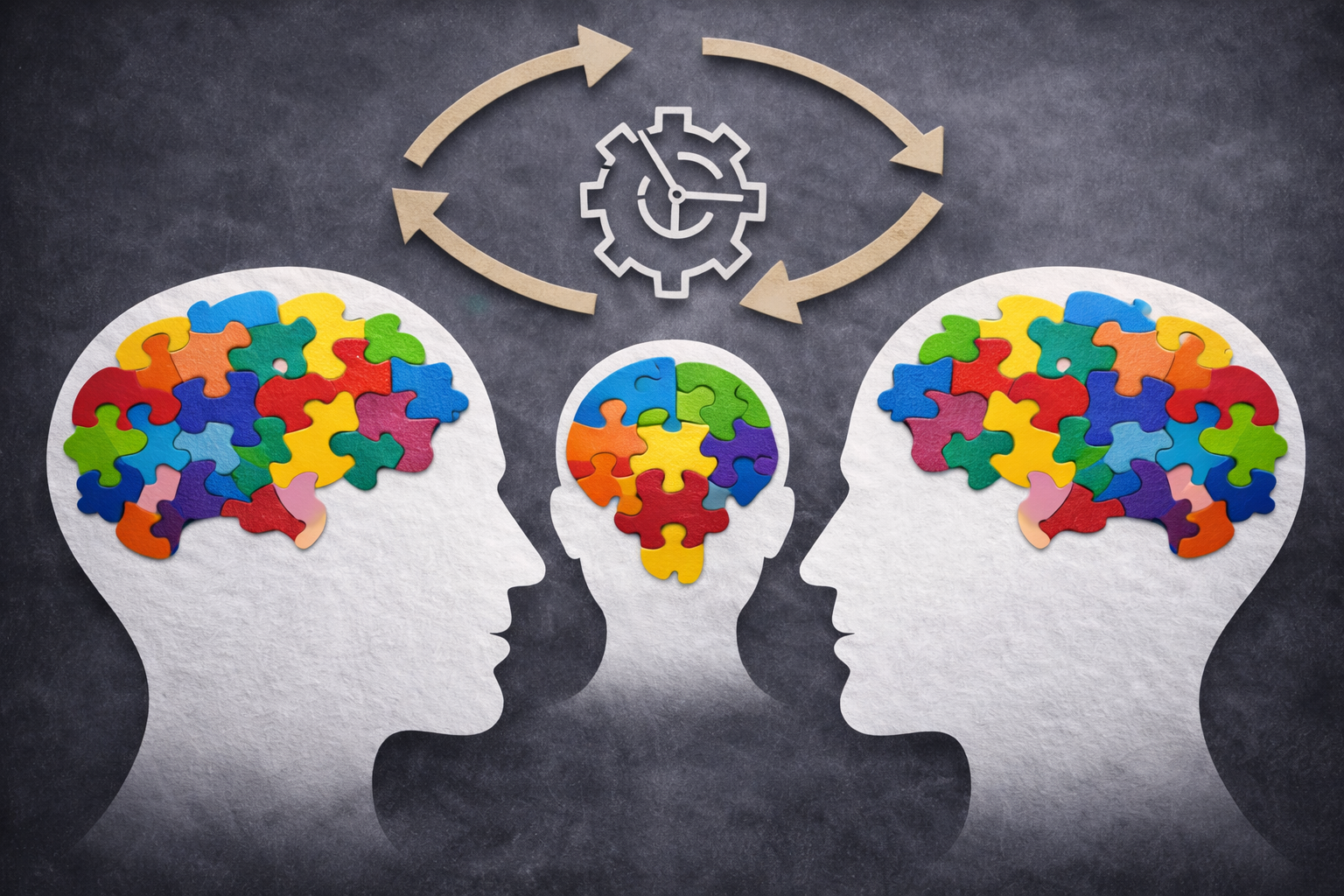
This article explores the concept of assimilasjon in depth. We will examine its historical background, psychological and sociological dimensions, its role in modern society, and the challenges and benefits associated with it. By the end, readers will have a comprehensive understanding of why assimilasjon matters, how it operates, and how societies can approach it responsibly.
What Is Assimilasjon?
At its core, assimilasjon is the process by which minority groups or individuals gradually adopt the cultural norms of a dominant community. This adoption can include language, customs, values, dress, behaviors, and social practices. The process is often subtle and can occur over generations, leading to a blending of cultural identities.
Importantly, assimilasjon differs from integration in that it emphasizes adaptation to the dominant culture rather than coexistence of multiple cultures. While integration allows for cultural diversity within a shared society, assimilasjon often involves conformity or absorption into the majority culture.
Historical Background of Assimilasjon
The concept of assimilasjon has deep historical roots. Throughout history, migration, conquest, colonization, and trade have created situations where minority populations have been encouraged—or pressured—to adopt the culture of the dominant society.
Early Examples
-
Ancient Rome: The Roman Empire absorbed diverse peoples across Europe, the Middle East, and North Africa. Citizens from conquered regions often adopted Roman language, customs, and religion while contributing elements of their own culture.
-
Colonial Era: European colonial powers frequently encouraged or enforced assimilasjon in colonized regions, promoting European language, education, and social norms as a means of social control.
These historical examples highlight that assimilasjon has always been intertwined with power dynamics, often benefiting the dominant culture while challenging minority groups to preserve their heritage.
Assimilasjon in Scandinavia
In Scandinavian countries, the term assimilasjon has been particularly relevant in discussions about minority populations, including the Sami people, immigrant communities, and linguistic minorities. Policies historically encouraged minority groups to adopt national languages and customs. While such policies aimed to unify the population, they also led to significant cultural loss and debates about identity preservation.
Psychological Dimensions of Assimilasjon
Assimilasjon is not only a social or political process—it also has profound psychological implications for individuals.
Adopting the norms of a dominant culture can create a sense of belonging and social acceptance. For example, learning the majority language and customs can help immigrants navigate workplaces, schools, and social institutions more effectively.
However, this process can also trigger internal conflicts. Individuals may struggle to balance loyalty to their heritage with the desire to fit in. This tension can lead to feelings of cultural dissonance, anxiety, or loss of identity.
Acculturation Stress
Psychologists often describe the stress associated with assimilasjon as acculturation stress. This occurs when individuals face pressure to conform while also attempting to retain their cultural identity. Managing these conflicting demands requires resilience, support, and often careful negotiation between old and new norms.
Sociological Perspectives on Assimilasjon
From a sociological perspective, assimilasjon can influence social cohesion, inequality, and community dynamics.
One of the main arguments in favor of assimilasjon is that it promotes social cohesion. By adopting common language, norms, and values, diverse populations can reduce misunderstandings, foster trust, and build shared civic identity.
For instance, countries with high rates of cultural assimilation often see more stable institutions and effective governance. Common cultural references make communication easier and reduce friction between groups.
On the other hand, sociologists warn that excessive assimilasjon can lead to cultural homogenization, where minority cultures are marginalized or erased. The loss of language, traditions, and social practices diminishes the richness of society and can foster resentment. A balance between shared norms and cultural diversity is therefore critical.
Assimilasjon in Modern Immigration
Immigration provides a prominent context for understanding assimilasjon today. Immigrants often navigate between the cultural expectations of their new country and their own cultural background. Language is one of the primary arenas of assimilasjon. Mastery of the majority language is essential for employment, education, and social interaction. Language learning accelerates integration but also serves as a symbol of cultural adaptation.
Employment and Social Participation
Assimilasjon extends beyond language to professional and social norms. Understanding workplace etiquette, civic duties, and social conventions helps immigrants participate fully in society. Employment is both a practical necessity and a vehicle for cultural learning.
Schools play a critical role in the assimilasjon process. Children of immigrants often serve as cultural bridges between home and society. While they learn the majority culture in classrooms, they may also transmit knowledge and cultural values back to their families, creating a bicultural experience.
Benefits of Assimilasjon
Assimilasjon, when voluntary and balanced, offers several advantages:
-
Economic Opportunities: Adapting to the dominant culture often improves employment prospects and financial stability.
-
Social Inclusion: Assimilated individuals are more likely to feel socially accepted and experience fewer barriers to participation.
-
Civic Engagement: Assimilation can facilitate involvement in civic and political life, promoting broader societal participation.
-
Cultural Exchange: While assimilasjon focuses on adopting dominant traits, it can also create hybrid cultures, enriching the social fabric with blended traditions.
Challenges and Criticisms
Despite its benefits, assimilasjon faces significant criticisms:
-
Loss of Cultural Identity: Minority communities may feel pressured to abandon languages, traditions, and beliefs.
-
Intergenerational Tensions: Older generations may resist change, while younger generations adapt faster, creating family conflicts.
-
Ethical Concerns: Forced or coercive assimilasjon, often seen in historical contexts, violates human rights and can result in long-term trauma.
Modern societies increasingly emphasize voluntary, respectful, and inclusive forms of cultural adaptation rather than coercion.
Balancing Assimilasjon and Integration
Contemporary scholars and policymakers often distinguish between assimilasjon and integration. While assimilasjon emphasizes conformity to the dominant culture, integration focuses on coexistence and mutual adaptation.
-
Integration allows diversity: Immigrants retain cultural identity while participating fully in society.
-
Assimilasjon may reduce diversity: While it can foster cohesion, it may also diminish the presence of minority cultures.
The challenge for modern societies is to encourage social harmony without erasing cultural differences. Policies that promote language learning, civic participation, and cultural exchange can achieve this balance.
Cultural Hybridization: A Modern Perspective
One of the most interesting outcomes of assimilasjon in contemporary society is cultural hybridization. Rather than fully adopting one culture, individuals may blend elements of multiple cultures, creating a new hybrid identity.
-
Food: Fusion cuisines often emerge when immigrant traditions merge with local tastes.
-
Fashion: Clothing styles can incorporate traditional elements with contemporary trends.
-
Language: Bilingualism and mixed dialects reflect the merging of cultures.
Hybrid identities demonstrate that assimilasjon does not necessarily mean erasing one’s heritage. Instead, it can be a creative, dynamic process that enriches society.
Case Studies
In Scandinavian countries, assimilasjon has been a topic of both policy and debate. Governments historically encouraged minority communities to adopt national languages and practices. While this promoted social cohesion, it also sparked conversations about minority rights and the importance of preserving linguistic and cultural diversity.
In the U.S., assimilasjon has played a role in shaping immigrant experiences for centuries. The “melting pot” metaphor illustrates a form of assimilasjon where diverse populations are encouraged to adopt American customs and language. At the same time, immigrant communities maintain cultural enclaves, creating a dynamic interplay between assimilation and cultural preservation.
Strategies for Healthy Assimilasjon
For individuals and societies, assimilasjon can be approached in a healthy, respectful way:
-
Voluntary Adaptation: Encourage voluntary participation rather than coercion.
-
Cultural Education: Teach both the dominant culture and the value of minority cultures.
-
Language Support: Provide accessible language learning opportunities.
-
Community Engagement: Facilitate participation in civic, social, and professional networks.
-
Celebrating Diversity: Promote hybridization and cross-cultural appreciation.
These strategies ensure that assimilasjon strengthens social cohesion without sacrificing identity.
Assimilasjon and Globalization
Globalization has accelerated cultural interactions, making assimilasjon more relevant than ever. Travel, digital media, and international migration mean that people constantly encounter new languages, norms, and practices.
-
Digital Assimilasjon: Online platforms encourage adoption of dominant digital norms, language, and etiquette.
-
Cultural Exchange: Social media, television, and global brands shape how cultural traits spread and are adopted.
Assimilasjon in a globalized world requires flexibility, adaptability, and open-mindedness to navigate both local and global cultures.
Conclusion
Assimilasjon is a complex, multifaceted process that affects individuals, communities, and societies. It has historical roots, psychological implications, and sociological significance. When approached thoughtfully, assimilasjon can promote social cohesion, economic opportunity, and cultural hybridization.
However, it also carries challenges, including potential loss of cultural identity and intergenerational tension. Modern approaches emphasize voluntary, respectful, and inclusive forms of cultural adaptation, balancing social integration with preservation of diversity.
In a world where migration and global interaction are increasingly common, understanding assimilasjon is essential for policymakers, educators, and individuals alike. By fostering empathy, mutual respect, and cultural awareness, societies can leverage assimilasjon as a tool for social harmony, personal growth, and cultural enrichment.




Leave a Reply