
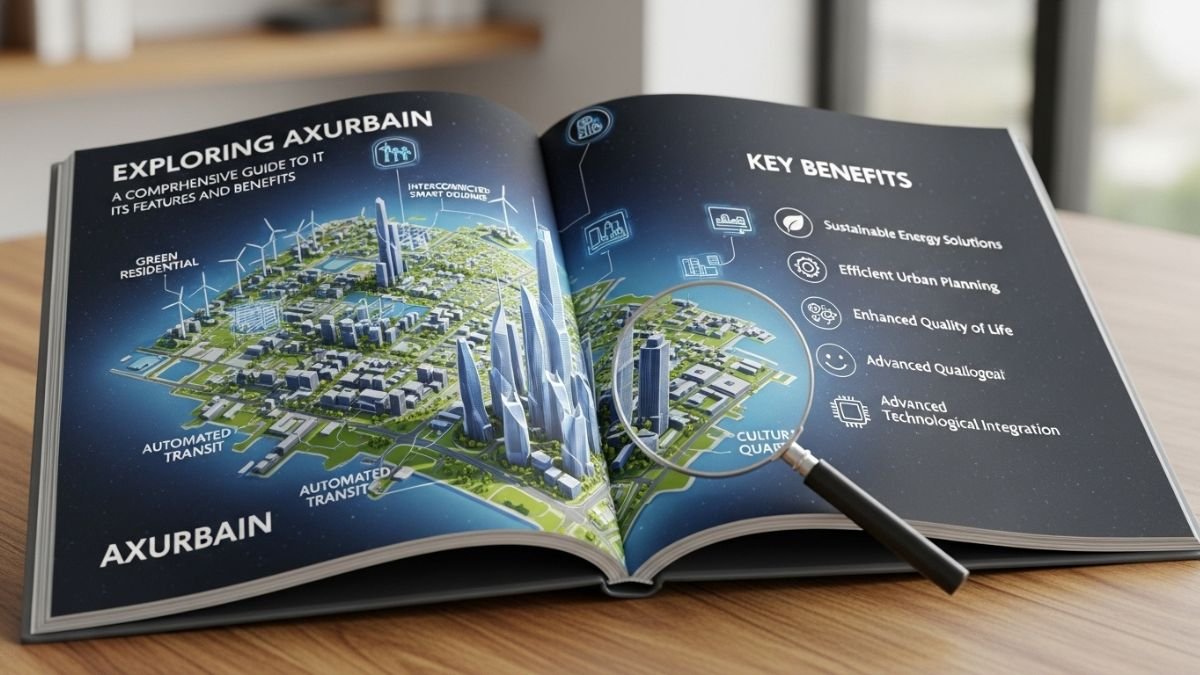
Urban life is evolving rapidly around the world. Cities are becoming more populated, more complex, and more connected. In this era of rapid transformation, a new term has emerged in digital and planning conversations: Axurbain. This word has begun to appear across blogs, media platforms, and idea forums, often used to describe a vision for smarter, greener, and more human‑focused cities. While Axurbain is not yet part of mainstream academic definitions, its presence in online content and trend discussions suggests it holds meaning for the future of urbanism. This article will explore what Axurbain represents, where it comes from, how it connects to real urban design principles, and why it matters for city residents, planners, and innovators alike.
Understanding the Word Axurbain
The word Axurbain appears to be a blend of two linguistic roots. The first part, “Ax,” evokes ideas of a central axis, access point, or core system. The second part, “urbain,” is the French word for “urban,” relating to cities, towns, and metropolitan areas. Put together, Axurbain suggests a central or core philosophy of modern urban life that blends infrastructure, design, technology, and community into a coherent whole.
The construction of the term may seem unfamiliar at first, but this combination points to its intended domain: cities and how they function in a future where sustainability, technology, and human experience converge. It is a term that invites interpretation, imagination, and discussion about what the city of tomorrow could look like.
Axurbain itself is not yet defined in standard dictionaries or recognized as an official urban planning term in academic journals. Many of the articles that mention it are created by blogs and online media platforms interested in design, architecture, technology, and future cities. Some of these sources also reference Axurbain as a brand or concept for urban innovation, while others treat it as an emerging philosophy or approach to sustainable city design.
The Essence of Axurbain
Although the exact meaning of Axurbain can vary by source, several core ideas emerge consistently in the way the term is used online. These ideas form the foundation of what Axurbain represents and why people are talking about it.
1. Smart Integration of Technology
One of the key pillars of Axurbain is the integration of smart technology into urban environments. This includes systems powered by data analytics, sensors, Internet of Things (IoT) devices, and artificial intelligence that work together to improve city functions, such as traffic management, energy use, waste handling, and public services. The goal is to make cities more efficient and responsive to the needs of residents.
In an Axurbain city, transportation systems might be managed in real time to reduce congestion. Energy systems could optimize consumption automatically based on current demand. Public utilities could be monitored to prevent waste and leaks before they occur. These technologies do not replace human planning; they enhance it by providing data that leads to better decisions and more efficient outcomes.
2. Sustainable and Green Design
Another central concept associated with Axurbain is sustainability. This relates to architecture and planning that prioritizes environmentally friendly elements. Green roofs, solar power, energy‑efficient buildings, and renewable materials are all part of this picture. Sustainable cities seek to minimize their environmental footprint while maximizing comfort and quality of life.
Sustainability under the Axurbain philosophy goes beyond single buildings. It includes larger systems such as green public spaces, water recycling, vertical gardens, pedestrian zones, and ecological connectivity. These features work together to improve air quality, reduce heat islands, and create healthier environments for people and nature alike.
3. Human‑Centered Urban Planning
At the heart of cities are the people who live in them. Axurbain emphasizes human‑centered design, which means planning and building cities with the needs and well‑being of residents in mind. Walkable streets, accessible public spaces, equitable transportation networks, and inclusive community zones are all part of this approach.
Human‑centered planning acknowledges that a city should be more than a collection of buildings and roads. It should be a space that supports community interaction, cultural expression, and emotional connection. Urban plazas, parks, community centers, and pedestrian pathways all contribute to creating neighborhoods that feel welcoming and enjoyable.
4. Connectivity and Accessibility
Connectivity is another key aspect of the Axurbain concept. This does not just refer to digital connectivity through networks and apps, though that is included. It also refers to physical and social connectivity. Easy access to transportation, healthcare, education, parks, and job centers ensures that residents can participate fully in urban life.
Equitable access is a vital part of this idea. In an Axurbain‑inspired city, public services are distributed fairly so that all residents, regardless of socio‑economic status, have the opportunity to thrive. Whether through bike lanes, efficient public transport, or digital platforms for civic engagement, accessibility strengthens community bonds and fosters inclusive growth.
Axurbain and Real Urban Practices
Axurbain reflects many principles that are already present in urban planning and design, even if the term itself is new or not officially adopted. Cities around the world are exploring similar ideas as they seek to meet the challenges of population growth, climate change, and rapid technological advancement.
For example, cities such as Copenhagen and Singapore have implemented systems that align with the Axurbain philosophy. Copenhagen’s emphasis on cycling infrastructure, pedestrian‑friendly zones, and green space demonstrates a commitment to sustainability and human‑centered design. Singapore uses smart technologies for resource management, traffic control, and environmental monitoring, creating a highly efficient urban environment.
These cities show that the elements of what Axurbain describes are not just ideas but practical approaches to real city development. While Axurbain as a standalone concept may still be emerging, its influence is rooted in practices that are already shaping 21st‑century urban life.
The Controversy Around Axurbain
Despite its growing presence in online discussions, Axurbain has also attracted skepticism. Some analysts argue that the term functions more as a buzzword or marketing construct than as a rigorously defined framework supported by research or built projects. Critics note that there is no specific institution, academic body, or city government that officially endorses Axurbain as a recognized methodology.
This critique highlights a challenge of modern digital information: new words and ideas can spread quickly without having a solid foundation in practice or scholarship. Articles promoting Axurbain often use optimistic language about smart cities and sustainability without naming real projects, data, or measurable outcomes. This pattern can make the term feel more like a trend than a verified planning approach.
However, the absence of formal academic backing does not automatically negate the value of the ideas associated with Axurbain. Many innovative urban planning concepts begin as visions or discussions before they gain formal articulation. As public interest grows in city design that balances technology, ecology, and humanity, terms like Axurbain can serve as catalysts for conversation and exploration.
Axurbain in Practice: How It Could Shape Cities
Although Axurbain is not yet a standalone system with documented case studies, its core principles can inspire practical urban initiatives. Here are several ways the Axurbain philosophy could influence real city projects:
Smart Residential Communities
Communities designed with connectivity and technology can enhance livability. These neighborhoods might include energy‑efficient homes with smart lighting and climate control, real‑time public transit updates via apps, and sustainability features such as solar panels or water recycling systems. These elements create neighborhoods that are responsive to resident needs.
Eco‑Friendly Commercial Spaces
Businesses located in Axurbain‑inspired districts could incorporate green atriums, passive cooling designs, and flexible workspaces that promote collaboration. Green roofs and integrated renewable energy systems can reduce operational costs while improving environmental performance.
Sustainable Mobility Networks
Transportation is a cornerstone of urban life, and Axurbain highlights ways to make mobility more efficient and accessible. Shared electric bike and scooter systems, smart traffic control, and incentives for public transit use can reduce reliance on cars, lower emissions, and make cities more pedestrian friendly.
Community Hubs and Public Spaces
Public spaces designed for interaction contribute to social well‑being. Axurbain encourages interconnected plazas, community gardens, cultural centers, and walkable pathways. These features help build social cohesion and strengthen urban identity.
The Aesthetic of Axurbain Cities
Axurbain cities are often described as places where design and function exist in harmony. Architecture under this philosophy tends toward clean lines, modular structures, and integration with natural elements. Buildings may use materials that reduce environmental impact while harnessing natural light and airflow.
Urban landscapes might include vertical gardens, tree‑lined boulevards, reflective plazas, and neighborhood parks that enhance both visual appeal and environmental quality. These aesthetic values align with the broader goals of sustainability and human‑centered design that define Axurbain’s vision.
Axurbain and Global Urban Goals
The principles associated with Axurbain align with global initiatives such as the United Nations Sustainable Development Goal 11, which focuses on making cities inclusive, safe, resilient, and sustainable. By promoting smart infrastructure, equitable access, and environmental responsibility, Axurbain reflects the priorities of international efforts to improve urban life worldwide.
Cities that adopt these principles can contribute to broader climate goals, reduce energy consumption, and enhance quality of life for residents. While Axurbain itself may not be a formally recognized framework, its themes resonate with pressing global needs in urban development.
Who Benefits from Axurbain
Axurbain’s ideas are relevant to a wide range of people and sectors:
-
City planners and architects looking for inspiration in sustainable design.
-
Local governments working to improve infrastructure and public services.
-
Developers and businesses seeking modern models for urban projects.
-
Residents interested in healthier, more connected communities.
-
Students and innovators exploring futures in urbanism and technology.
These diverse groups can engage with the ideas behind Axurbain in their own contexts, even if the term itself continues to evolve.
The Future of Axurbain
As discussions around smart cities, sustainability, and inclusive design continue to grow, Axurbain may evolve into a more clearly defined concept. It could become a recognized framework, a brand used by planning firms, or a set of principles adopted by communities around the world. Alternatively, it might remain a defining word in online conversations that capture the hopes and ideas of a generation imagining better cities.
What is clear is that the themes associated with Axurbain matter. Technology, sustainability, equitable access, and human‑focused design are vital to the future of urban life. Whether or not Axurbain becomes a formal discipline, it reflects an important shift in how we think about cities.
Conclusion
Axurbain is a modern term that points toward the future of urban living. It blends ideas of smart technology, sustainable design, human‑centered planning, and connectivity into a vision of what cities could be. While the term itself may still be emerging and debated in online spaces, the concepts it represents are grounded in real trends shaping cities across the world.
Whether you are a planner, resident, entrepreneur, or student, understanding the principles behind Axurbain can help you see how cities are evolving. These ideas encourage us to envision cities that are cleaner, more efficient, more equitable, and more deeply connected to the people who live in them. Axurbain may start as a word, but its meaning lies in the possibilities it reveals for urban life in the decades ahead.




Leave a Reply